External links


Favorite books
Power of reading
Reading and writing were never my strengths. Whether it's about life lessons or a particular skill, I learned best by doing. For a long time, experience taught me more than books, and Oscar Wilde's line "Nothing worth knowing can be taught" felt true: mistakes were my clearest teachers.
As I grew older, however, the stakes rose, experiencing and mistakes became far more costly. Early in my career I realized that reading other people's experiences could act like a cheat code: by empathizing with their stories, I could experience the same and learn the same lessons without paying the same price. I began reading more, and surprisingly, it felt enjoyable.
Books on the desk
This page is updated from time to time to keep a very short list of books that felt most important and meaningful to me. These book are always on my desk next to the keyboard.

Ray Dalio's Principles: Life and Work is a blend of autobiography and self-development book. In my view, the memoir sections is more self-developing than the book's principles section. As mentioned earlier, learning from someone's experience can be far more effective than reading conclusions.
The book contains some of the most powerful words I've read. They are true and often difficult to accept in reality. For example, this passage in particular deeply resonates with me.
I spoke frankly, and I expected those around me to speak frankly. I fought for what I thought was best, and I wanted them to do so as well. When I thought someone did something stupid, I said so and I expected them to tell me when I did something stupid. Each of us would be better for it. To me, that was what strong and productive relationships looked like. Operating any other way would be unproductive and unethical.

Corporate culture is a notoriously difficult and opinionated topic, and almost all companies, despite their best intentions, fail to get it right. Netflix is one of the rare exceptions. By experimenting boldly and holding people to high standards with unprecedented trust and freedom, it reinvented how modern tech companies operate. No Rules Rules by Reed Hastings and Erin Meyer thrilled me. It shows with honest and concrete examples, how freedom and radical candor can spark innovation, and how conventional mindset and small compromises too often lead to mediocrity.

In my opinion, Robert C. Martin's Clean Architecture is the book every software engineer must read before making any design decision for commercial systems. Its principles are the foundation for creating maintainable and predictable software. It would be irresponsible to expect colleagues to work effectively with systems designed without this knowledge. Yet, engineers across many companies struggle daily with problems that Clearn Architecture directly addresses.
Even on fundamental topics, such as functionality versus maintainability, or what 'architecture' truly means, debates recur constantly between engineers and engineers, technical leads and managers, CTOs and executives. The hidden costs of neglecting this book are immeasurable. Below is a powerful passage about the role of architect that I personally have cited in countless occasions to dispel a common misunderstanding held by many professionals.
First of all, a software architect is a programmer; and continues to be a programmer. Never fall for the lie that suggests that software architects pull back from code to focus on higher-level issues. They do not! Software architects are the best programmers, and they continue to take programming tasks, while they also guide the rest of the team toward a design that maximize productivity. Software architects may not write as much code as other programmers do, but they continue to engage in programming tasks. They do this because they cannot do their jobs properly if they are not experiencing the problems that they are creating for the rest of the programmers.
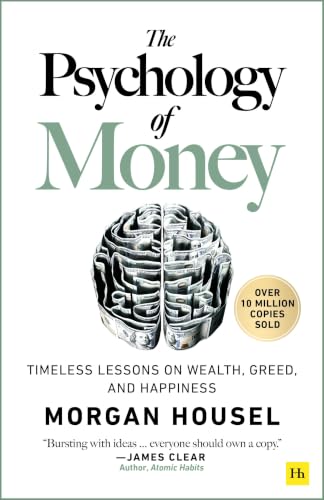
Several other top picks of various categories.


Discussion
To leave a comment or reaction (powered by GitHub Discussions via Giscus), you must first sign in to GitHub and authorize Giscus below. After posting a comment, edit or delete it in the repository's Discussions section by locating the corresponding topic. This behavior is due to limits of Giscus implementation.